Offices are more than a work space; They are the central nervous system of a company. All of the vital components for the daily operations take place in this space. It important to plan now for your office's future. The following are 5 things that your office needs now in order to prepare for its tomorrow.
Improve Communication
Portable technology, such as cell phones and tablets, improve communication between team members. Take that idea a step further by implementing apps, cloud drives, and software that allow teams to go to one place for their communications. This prevents issues caused by poor communication and keeps teams on track.
Communication has always been a weak spot for all businesses. Using this technology is a great way to ensure that all team members stay on the same page and prevents team members from missing important communications. Some favorites in this category among many startups and small businesses are slack for chat, appear.in for video chat, uberconference for conference calls, and box for cloud storage.
Create a Better Workflow
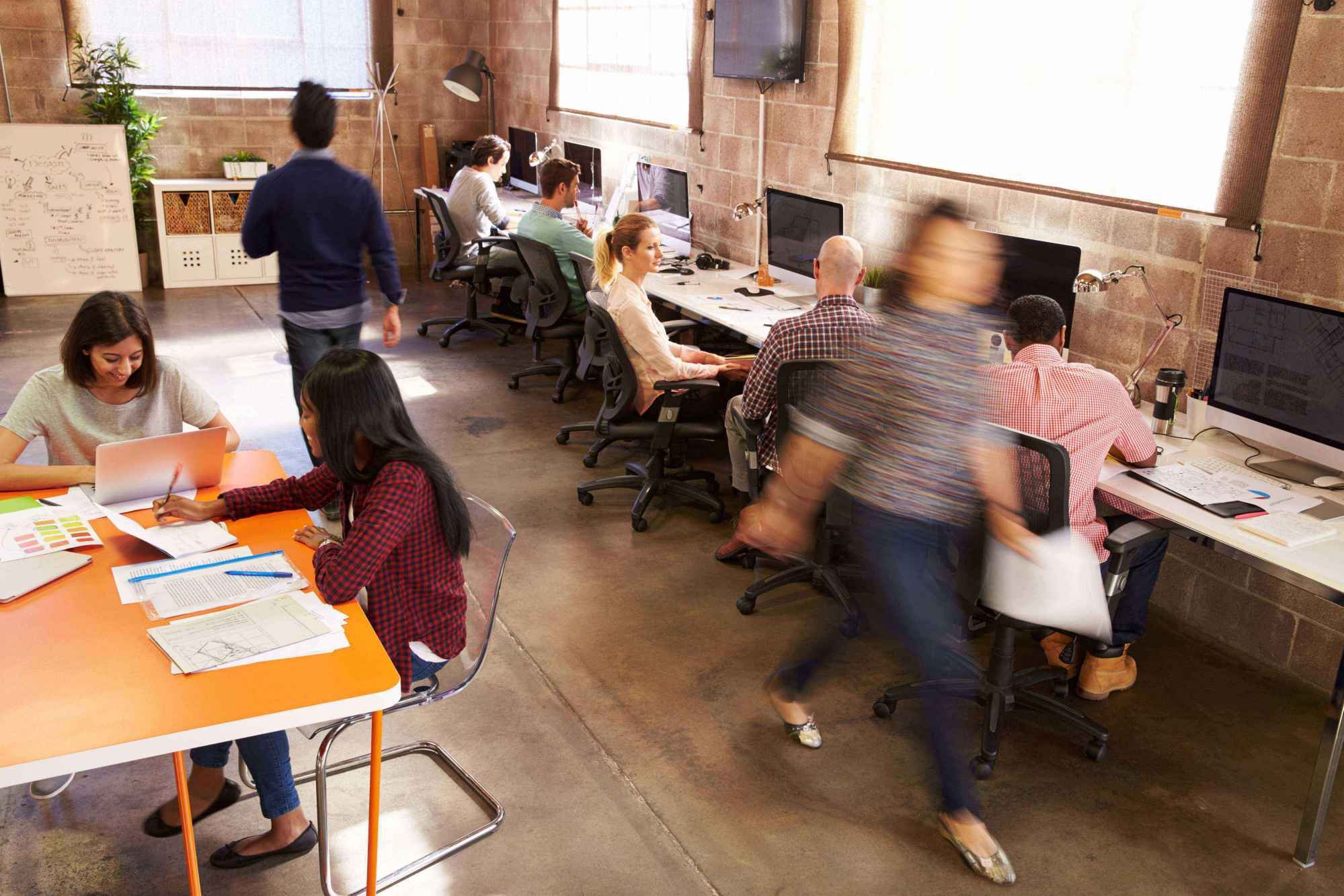
In an environment where communication and productivity count, having areas of the workspace dedicated to collaboration amongst employees is invaluable and time saving. Keeping open areas in mind for your office is a great way to improve communication between team members and various departments.
Too many areas with only closed offices and cubicles are counterproductive to the concept of transparency and workflow. What about privacy? Many companies are incorporating dedicated call rooms adjacent to these open work areas.
Overall, mixing in some open space can allow for teams and co-workers to gather in an informal and collaborative setting while still having the privacy of a dedicated office or workstation.
Employee Health and Wellness
Flexible desks, chairs, and work spaces are a great way to improve employee health and prevent health problems that result from sitting at a desk all day. A flexible desk that allows employees to sit, stand, and adjust throughout the day is a great way for employees to be able to customize their work space for their personal needs.
Adjustable work spaces prevent injuries due to poor ergonomics, such as neck and joint issues. They also allow employees to stand, which helps promote a healthy weight and improves circulation and reduces atrophy-related health issues such as blood clots.
Energy Savings
The construction of the office is vital to its cost and longevity. Offices, if possible, should be built to be energy efficient. Most businesses do not completely customize the construction of their office completely so fortunately there are many tools that improve efficiency can be also retrofitted for existing offices.
Double glazed windows, energy efficient lighting, and efficient HVAC units are just an example of ways to save energy in a workplace. Motion sensor switches in restrooms and break rooms with LED lighting are another way to save companies money and help them comply with federal guidelines.
Improve Productivity
An office should inspire employees. It should be energetic and conducive to productivity. When you design an office space, it should be designed with productivity in mind. A dull, gray office is cold, uninviting, and lacks energy. Warm neutrals with bold accent walls inspire energy and alertness.
Another way to improve productivity is by providing smart lighting. Smart lighting can also be set up to automatically detect when employees are losing energy and will brighten the lighting to an optimum brightness for energy efficiency and increasing productivity.
Planning an office for tomorrow starts with the thought and work that you put in it today. Successful offices must improve communications, reduce wasted energy, promote a healthy lifestyle, and create an energetic, productive environment to be effective.
Jessica is a professional blogger who writes for Faxage, a leading company that provides online fax service for individuals and businesses.
-1.png?width=250&height=23&name=Navy%20(500%20png)-1.png)
-4.png?width=1574&height=714&name=Interview%20Blog%20Header%20(14)-4.png)

-3.png?width=1574&height=714&name=Interview%20Blog%20Header%20(14)-3.png)